
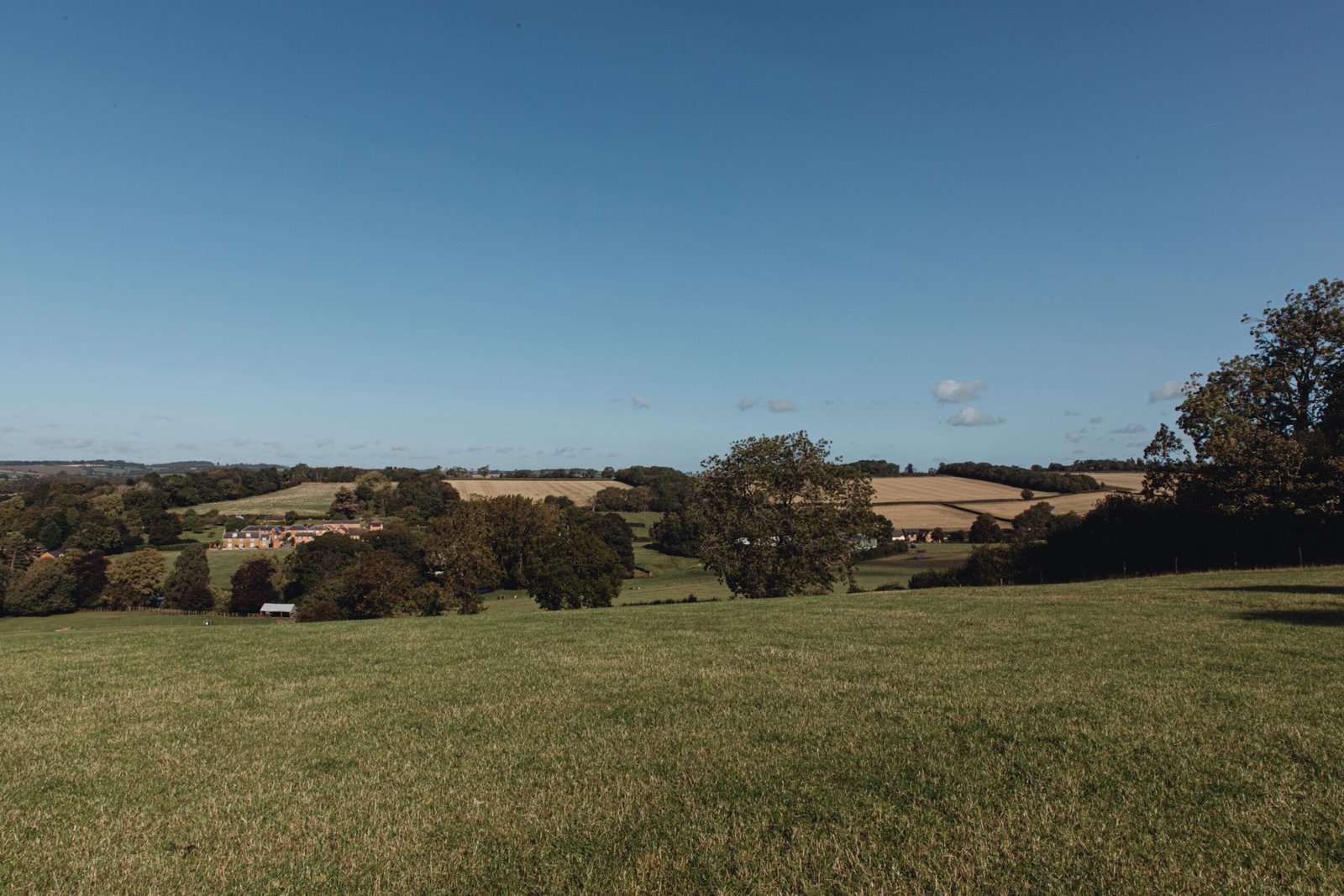
The short answer. Soil sampling for soil carbon is designed to measure a change, not just a level. The land is divided into strata, several cores are combined into each sample, every core is positioned by GPS, and the same depth is sampled at the same point in the year, every year. The samples are analysed by dry combustion in a laboratory accredited to ISO/IEC 17025. For a farm, it means about half a day on farm in the autumn-winter window.
Last reviewed September 2026.
How the sampling is designed
Soil carbon varies across a field, so where the samples come from matters as much as how many there are. Our published methodology starts by stratifying the land, which means dividing it into groups that are alike, so fewer samples can give a more reliable answer:
- By area. Fields are divided into blocks of roughly equal area, and a small field can be a single block. This is used where little is known yet about how carbon varies on the farm.
- By zone. Land is grouped into zones that behave alike, using soil type, the lie of the land, land use, hydrology, climate and satellite imagery. A zone can cover several fields, and one field can hold several zones. This is used where that information exists.
Within each stratum, cores are either spread evenly across the whole block and combined into one sample, or taken in small clusters at set points, typically within 20 metres of each other, and combined into a sample for each point. A combined sample usually holds 9 to 12 cores.
How each sample is taken
- The same depth, every sample, every year. Change can only be compared like for like, so the depth never moves between rounds. Where bedrock or a hard layer stops a core short of 30 centimetres, the depth reached is recorded.
- A GPS position for every core. Each core is located to within 10 metres, so the same ground can be found and sampled again next year.
- Away from anything that would skew it. Cores are taken far enough from trees, buildings and water not to be influenced by them.
- Dated and timed. The date and time of every core is recorded for each round.
- Timed around manures. Rounds allow for the delay needed after fertiliser. If organic amendments went on within six months, the carbon they added is estimated and taken off, so it is not counted as a gain in the soil.
Why once a year, at the same time
Soil carbon moves with the seasons as well as with management. Sampling at 12-month intervals, or as close to that as fertiliser timings allow, in the same autumn-winter window, means the difference between two rounds is the change in the soil rather than the time of year. The 2026 window is open until the end of February 2027. Miss it and your baseline is delayed by a year. The detail is in why soil carbon is measured once a year.
From the field to the laboratory and the map
Each sample is analysed by dry combustion, which burns the soil at high temperature and measures the carbon it releases directly. Carbon concentration is turned into a stock in tonnes a hectare using the soil’s bulk density and the sampling depth. Our AI then ties the laboratory results to satellite imagery of the same fields, giving a map at 100 mapped values a hectare, and some samples are held back so the error of that step can be measured and deducted. The full method is in how soil carbon is measured.
How it differs from sampling for nutrients
A routine nutrient test for pH, phosphorus, potassium and magnesium blends many shallow cores from across a field into one sample, typically to about 15 centimetres in arable fields and less in grassland, and tells you the field’s average nutrient status to plan lime and fertiliser. Sampling for soil carbon goes deeper, keeps the position of every core, is stratified and is repeated every year, because its job is to show a change in stock with the error stated. The two do different jobs, and most farms need both. See soil health testing in the UK.
What it asks of the farm
- Your SBI number, so the field boundaries can be agreed.
- A short call to agree field boundaries and sampling access.
- About half a day on farm while the sampling team takes the samples.
- The records you already keep, such as cropping and fertiliser applications.
Questions we are asked about soil sampling
How deep do you sample for soil carbon?
To the depth set in the sampling design, which then stays the same for every sample and every round. Where bedrock or a hard layer stops a core short of 30 centimetres, the depth reached is recorded.
When is the best time to take soil samples for carbon?
At the same point every year. We sample in the autumn-winter window, at 12-month intervals, and allow the advised delay after fertiliser or manure so the result reflects the soil rather than what has just been applied.
How many soil samples does a field need?
It depends on the size of the field and how much the soil varies within it. The sampling is designed field by field: fields are divided into strata, and each sample combines typically 9 to 12 cores. The error of the result is measured and stated, so you can see how good the answer is.
Can I take the samples myself?
For a result that stands up to a buyer or an auditor, the sampling has to follow the design, the depth, the positions and the timing exactly, every year. That is why the sampling team does it.
Does sampling damage the crop or the field?
Each core leaves only a narrow hole, and sampling happens in the autumn-winter window when fields are between crops. How the sampling team gets access is agreed with you on a short call beforehand.
How do I book soil carbon sampling?
Send us your SBI number and your hectares and we will send a written quote within two working days. Minimum project area is 150 hectares, and it does not have to be your whole farm. Get a quote.
Part of our guide to soil carbon measurement for farms. Related: how soil carbon is measured · the baseline · soil carbon testing methods compared
